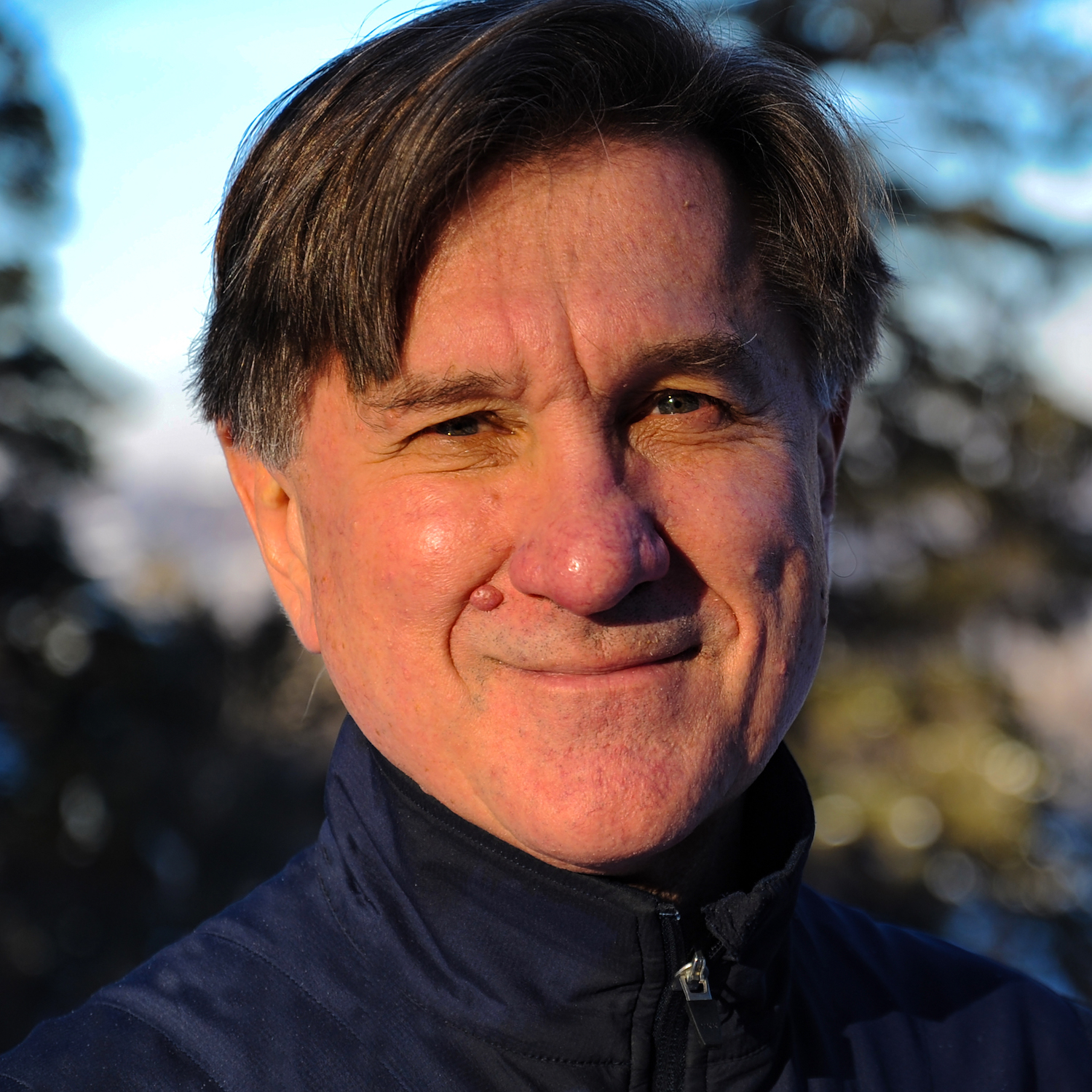
Canadian author and photographer Ed Struzik has been writing on the Arctic for three decades. He is the 2007 recipient of the Atkinson Fellowship in Public Policy and was a finalist for this year's Grantham Prize for Excellence in Reporting on the Environment.
More from Ed Struzik
by ed struzik
In a new paper, the world’s leading polar bear scientists say the time has come to consider drastic measures to save these iconic animals, including supplemental feeding by humans during ice-free periods and relocating more southerly populations to the High Arctic.
READ MORE
by ed struzik
The rapid development of Alberta’s tar sands has spawned a new proposal for a 731-mile pipeline that would transport oil to the British Columbia coast. The project is strongly opposed by conservationists and First Nations leaders, who fear the environmental risks it would bring.
READ MORE
by ed struzik
With Arctic summer sea ice rapidly disappearing, the native Inuit of Canada are encountering not only unsettling changes in their subsistence way of life, but also a growing number of outsiders who will further transform their once-isolated homeland.
READ MORE
by ed struzik
Prime Minister Stephen Harper’s government has been weakening Canada’s environmental regulations and slashing funds for oversight and research — all while promoting aggressive resource development. Critics warn these unprecedented actions pose a major threat to the nation’s vast natural heritage.
READ MORE
by ed struzik
With melting sea ice opening up previously inaccessible parts of the Arctic Ocean, the fishing industry sees a potential bonanza. But some scientists and government officials have begun calling for a moratorium on fishing in the region until the true state of the Arctic fishery is assessed.
READ MORE
by ed struzik
Polar bears have long come ashore in Churchill, Manitoba, the self-styled ‘Polar Bear Capital of the World.’ But as summer sea ice steadily disappears in Hudson Bay, bears are being marooned on land for longer periods of time — and that is generating a lot of work for the Polar Bear Alert Team.
READ MORE
by ed struzik
Canada’s Nunavut Territory is the largest undisturbed wilderness in the Northern Hemisphere. It also contains large deposits of uranium, generating intense interest from mining companies and raising concerns that a mining boom could harm the caribou at the center of Inuit life.
READ MORE
by ed struzik
The development of the tar sands and other oil and gas fields in Alberta has carved up the Canadian province's boreal forest, threatening herds of woodland caribou. But rather than protect caribou habitat, officials have taken a controversial step: the large-scale killing of the wolves that prey on the caribou.
READ MORE
by ed struzik
For millennia, the blanket of ice covering the Arctic Ocean protected the shore from damaging storms. But as that ice buffer disappears, increasingly powerful storm surges are eroding the coastline and sending walls of seawater inland, devastating Arctic ecosystems that support abundant wildlife.
READ MORE
by ed struzik
Grizzly bears mating with polar bears. Red foxes out-competing Arctic foxes. Exotic diseases making their way into once-isolated polar realms. These are just some of the worrisome phenomena now occurring as Arctic temperatures soar and the Arctic Ocean, a once-impermeable barrier, melts.
READ MORE
by ed struzik
Across the Far North, populations of caribou — an indispensable source of food and clothing for indigenous people — are in steep decline. Scientists point to rising temperatures and a resource-development boom as the prime culprits.
READ MORE
by ed struzik
The massive oil spill in the Gulf of Mexico is a warning, conservationists say, of what could happen in the Arctic as melting sea ice opens the Arctic Ocean to oil and gas drilling. Many experts argue that the time has come to adopt an Arctic Treaty similar to the one that has safeguarded Antarctica for half a century.
READ MORE
by ed struzik
Wildlife biologists and climate scientists overwhelmingly agree that the disappearance of Arctic sea ice will lead to a sharp drop in polar bear populations. But some skeptics remain unconvinced, and they have managed to persuade the Canadian government not to take key steps to protect the animals.
READ MORE
by ed struzik
As the Arctic's sea ice melts, energy and mining companies are moving into previously inaccessible regions to tap the abundant riches that lie beneath the permafrost and the ocean floor. The potential environmental impacts are troubling.
READ MORE

Yale Environment 360 is
a publication of the
Yale School of Forestry
& Environmental Studies.
Twitter: YaleE360
e360 on Facebook
Donate to e360
View mobile site
Bookmark
Share e360
Email newsletter
Subscribe to our feed:
About e360
Contact
Submission Guidelines
Reprints

South African photojournalist Adam Welz documents the harrowing relocation of six white rhinos to a region that has lost all its rhinos to poaching.
View the gallery.
Opinion
Reports
Analysis
Interviews
e360 Digest
Podcasts
Video Reports
Biodiversity
Business & Innovation
Climate
Energy
Forests
Oceans
Policy & Politics
Pollution & Health
Science & Technology
Sustainability
Urbanization
Water
Antarctica and the Arctic
Africa
Asia
Australia
Central & South America
Europe
Middle East
North America

A
Yale Environment 360 video explores Ecuador’s threatened Yasuni Biosphere Reserve with scientists inventorying its stunning forests and wildlife.
Watch the video.
The latest
from
Yale
Environment 360 is now available for mobile devices at
e360.yale.edu/mobile.
In a
Yale Environment 360 video, photographer Pete McBride documents how increasing water demands have transformed the Colorado River, the lifeblood of the arid Southwest.
Watch the video.

Top Image: aerial view of
Iceland. © Google & TerraMetrics.
The Warriors of Qiugang, a
Yale Environment 360 video that chronicles the story of a Chinese village’s fight against a polluting chemical plant, was nominated for a 2011 Academy Award for Best Documentary (Short Subject).
Watch the video.