An Apennine brown bear. Bruno D’Amicis / Molecular Biology and Evolution
Brown bears living near villages in central Italy have evolved to be less aggressive, according to a new study, the latest to show how humans are shaping the evolution of wildlife.
Marsican brown bears have been isolated from other European brown bears since the Roman era, cut off by expanding farms and cities. Over centuries they became smaller and less aggressive than other brown bears, changes that may have been prompted by interactions with humans.
To investigate, Italian researchers mapped the genes of Marsican bears and compared them with the genes of brown bears in Slovakia and the U.S. Their study, published in Molecular Biology and Evolution, found clear evidence that the Marsican bears had been selected for lower aggression. Coauthor Andrea Benazzo, of the University of Ferrara, said humans likely killed the more aggressive Marsican bears, leaving a more docile gene pool.
Authors say the findings have implications for how to manage the dwindling number of Marsican bears, for whom a less aggressive temperament has been key to avoiding deadly conflicts with humans. Even though Marsican bears are critically endangered, with only around 60 left in the wild, coauthor Giorgio Bertorelle cautioned against boosting their numbers with other, more aggressive brown bears. Doing so, he said, risks diluting their gene pool.
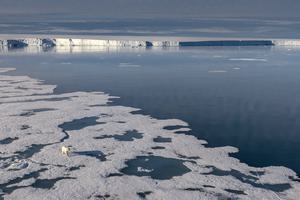
The new findings come on the heels of another new study, which found that polar bears in southern Greenland are evolving in ways that could help them survive in a warmer climate. An analysis of their genes showed adaptations related to heat stress, aging, and metabolism — changes that could help bears cope with hotter weather and a leaner diet.
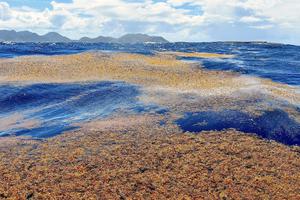
The research adds to the growing body of evidence that humans are shaping the course of evolution for animals. In an influential study published in June, biologists researching codfish in the Baltic Sea found that the overfishing of large cod led to smaller fish dominating the gene pool. Now, cod grow more slowly and to a fraction of their size just a few decades ago.
ALSO ON YALE E360
Shrinking Cod: How Humans Are Impacting the Evolution of Species