The Gulf of Mexico’s hypoxic zone, an oxygen-depleted area created by excessive nutrient pollution, is expected to reach record proportions this year as a result of the extreme flooding in the Mississippi River basin,
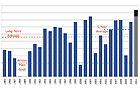
according to a forecast by the National Oceanic and Atmospheric Administration (NOAA). Using nutrient load data compiled by the U.S. Geological Survey, scientists calculate that the hypoxic zone, also known as the “dead zone,” could cover 8,500 to 9,421 square miles, an area about the size of New Hampshire. The dead zone — which is created when algal blooms remove oxygen from the water and suffocate marine life — has reached an average 6,000 square miles during the last five years. But with the flow rate of the Mississippi and Atchafalaya Rivers nearly double the normal rate this spring, the quantity of nutrients entering the Gulf is about 35 percent higher than usual, according to NOAA. The dead zone, located along the coast, forces Gulf fishermen farther offshore.
Largest Gulf ‘Dead Zone’ Anticipated in Wake of Spring Floods
More From E360
-
Biodiversity
Sargassum Superbloom: Seaweed Scourge or Ecological Boon?
-
Oceans
A Surge of Marine Heat Waves Threatens to Scramble Ocean Life
-
Policy
A Hard-Won Rule to Cut Chemical Plant Pollution Is Being Unraveled
-
E360 FILM CONTEST WINNER
Filipino Cacao Growers Learn to Live With a Hotter Climate
-
E360 FILM CONTEST
A Bicycle Journey Across Brazil to Find a Vanishing Savanna
-
OPINION
For America’s Rarest Wildlife, Survival May Hinge on a Single Word
-
E360 Film Contest
Who Gets to Decide the Fate of a Pristine Alaskan Rainforest?
-
Biodiversity
‘Wastelands’ No More: India Charts a Future for Its Grasslands
-
Climate
After Decades of Drought, Water Is Rising in the African Sahel
-
Cities
In Steel Country, the Fight for Clean Air Faces New Obstacles
-
Solutions
Beyond Lithium: New Battery Tech Starts to Break Through
-
INTERVIEW
What Do We Actually Know About the Microplastics Inside Us?