
Climate change has thawed permafrost and increased rainfall in the Far North, producing sulfuric acid that is turning rivers and lakes yellow or rusty orange. Scientists are scrambling to parse the impacts on wildlife, fish, and the drinking water of Indigenous communities.
-
ANALYSIS
A More Troubling Picture of Sea Level Rise Is Coming into View
Scientists have uncovered a "blind spot" in the research on rising seas, revealing that tens of millions of people thought safe from coastal flooding are at risk of inundation. Across much of the world, sea levels are higher than previously assumed and land is sinking faster.
-
INTERVIEW
Why Protecting Flowering Plants Is Crucial to Our Future
In his latest book, biologist David George Haskell describes flowering plants as “world creators.” In an interview with Yale Environment 360, he explains how they spurred the evolution of new ecosystems and what flowering plants can teach us about survival on a warming planet.
-
OPINION
Trying Times: Keeping the Faith as Environmental Gains Are Lost
For people who came of age in the 1970s, it is especially painful to witness the Trump administration’s relentless rollback of hard-won environmental progress. But as the assaults on clean air and water, endangered species, and more mount, a noted ecologist finds reasons for hope.

ANALYSIS
As It Boosts Renewables, China Still Can’t Break Its Coal Addiction
Despite being a renewables superpower, China continues to permit and build new coal-fired power plants at a rapid pace. Analysts say the nation’s new five-year plan will ensure further coal plant expansion and jeopardize China’s ability to deliver on its climate promises.
E360 Digest
-
As Oceans Warm, Great White Sharks Are Overheating
The evolutionary edge that fueled great white shark dominance for millions of years could soon become its greatest downfall. More about As Oceans Warm, Great White Sharks Are Overheating →
-
Energy Crisis Spurs Global Push for Remote Work
The energy shocks rippling from the war in Iran have prompted countries, from Cambodia to Peru, to embrace remote work. Leaders in Europe are now joining the push as they look to curb consumption of oil. More about Energy Crisis Spurs Global Push for Remote Work →
-
Zambia Under Pressure to Clean Up Shuttered Lead Mine Poisoning Town
Three decades after one of the largest lead mines in the world closed down, people in Kabwe, Zambia, are still dealing with the aftermath. Facing pervasive lead contamination that continues to endanger their children, families in Kabwe, with a coalition of human rights groups, are calling on the African Union to force Zambia to clean up the site. More about Zambia Under Pressure to Clean Up Shuttered Lead Mine Poisoning Town →
Never miss an article. Subscribe to the E360 Newsletter for weekly updates delivered to your inbox. Sign Up.

Biodiversity
Long Overlooked as Crucial to Life, Fungi Start to Get Their Due
Fungi create soil, sequester vast amounts of carbon, and contribute $55 trillion to the global economy, but knowledge about them is scarce. Now, mycologists are pushing to get the international scientific community to recognize fungi on the same level as plants and animals.
-
OPINION
Can America’s Wolves Survive an Onslaught of Political Attacks?
Gray wolves made an uneasy comeback in the Northern Rockies and are struggling to return to the Southwest. But legislation now working its way through Congress is being spurred by misinformation and myth, rather than science, and threatens to end wolf recovery in the U.S.
-
MINING
As Zambia Pushes New Mining, a Legacy of Pollution Looms
Zambia is expanding development of its rich deposits of critical minerals, which are needed for the global shift to renewables. But poisoning from past mining and a huge toxic spill at a mine site are raising fears that new wealth will come at a high cost for people and the environment.
-
ANALYSIS
Species Slowdown: Is Nature’s Ability to Self-Repair Stalling?
When scientists recently analyzed hundreds of studies of ecosystems, they were surprised to see a marked slowing in the rate of species turnover. If new species don’t replace old ones, they say, ecosystems may have less flexibility to respond to habitat loss and climate change.
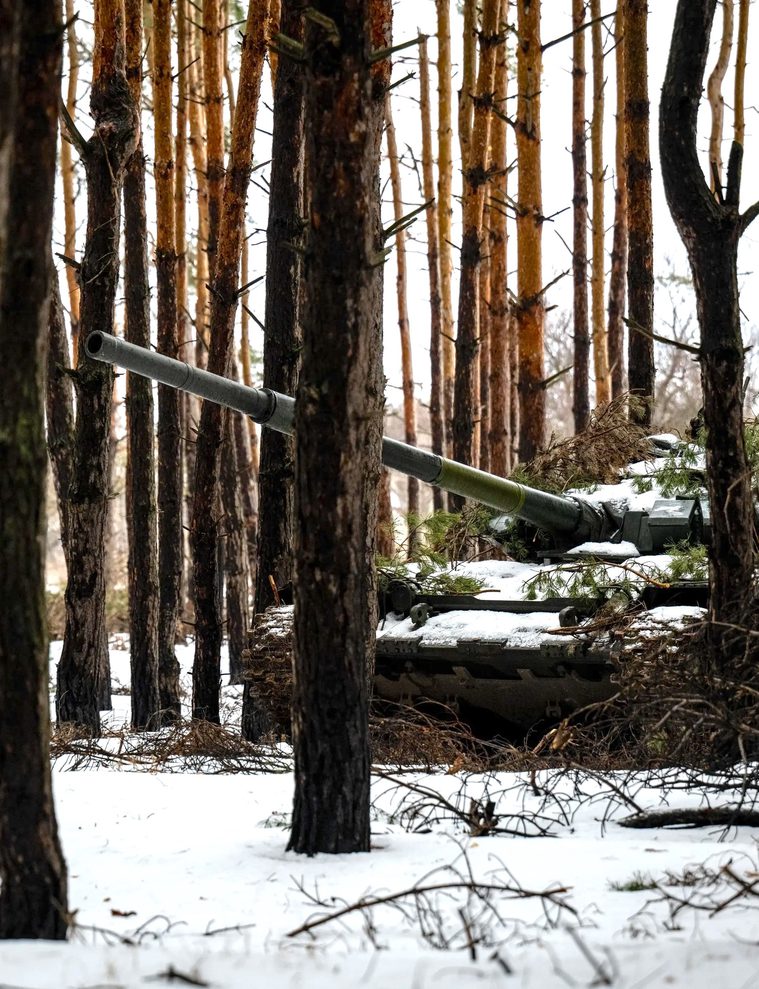
From the Ukraine Front
-
Collateral Damage: The Environmental Cost of the Ukraine War
-
From Ruins to Reuse: How Ukrainians Are Repurposing War Waste
-
How Ukraine Is Turning to Renewables to Keep Heat and Lights On
-
Ukraine Rewilding: Will Nature Be Allowed to Revive When War Ends?
-
How Restored Wetlands Can Protect Europe from Russian Invasion